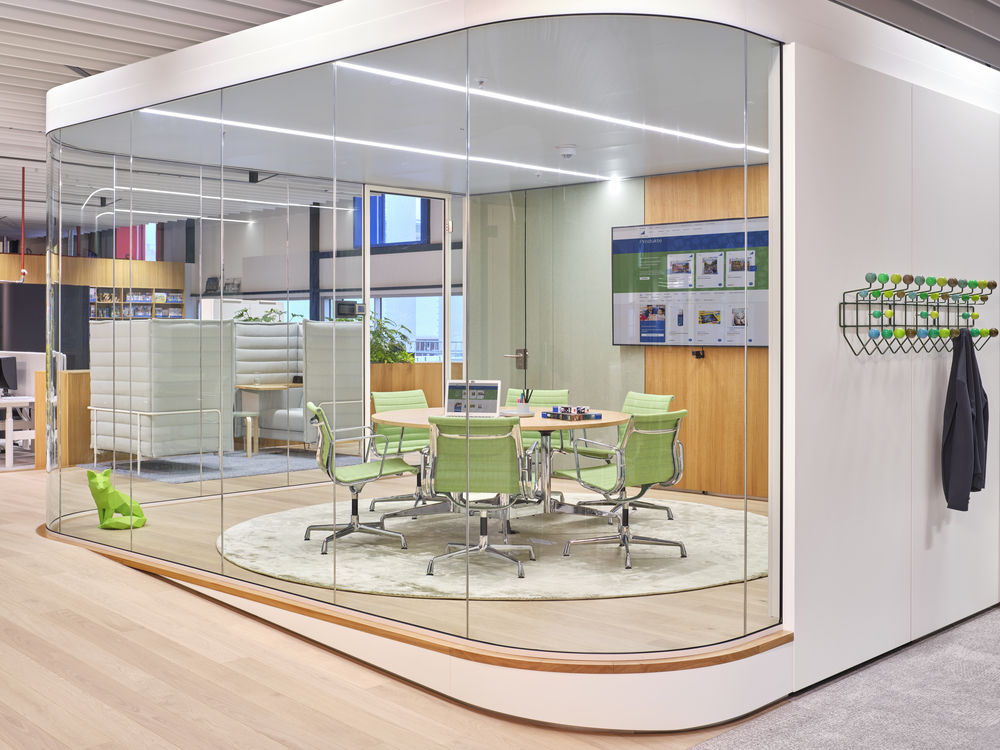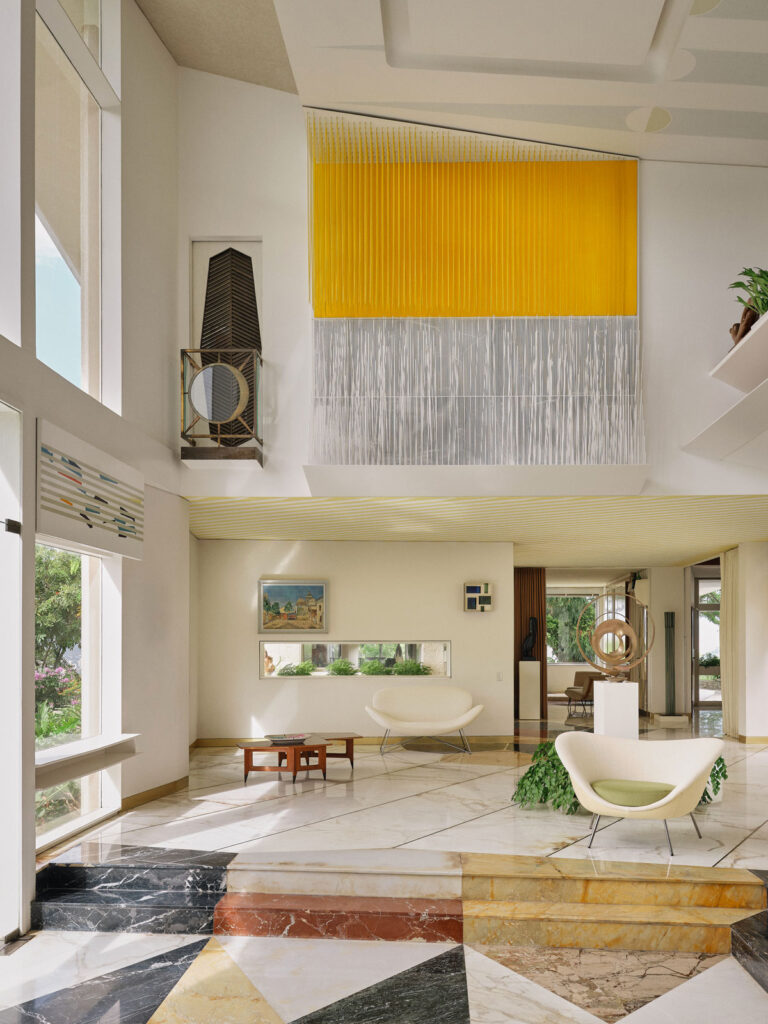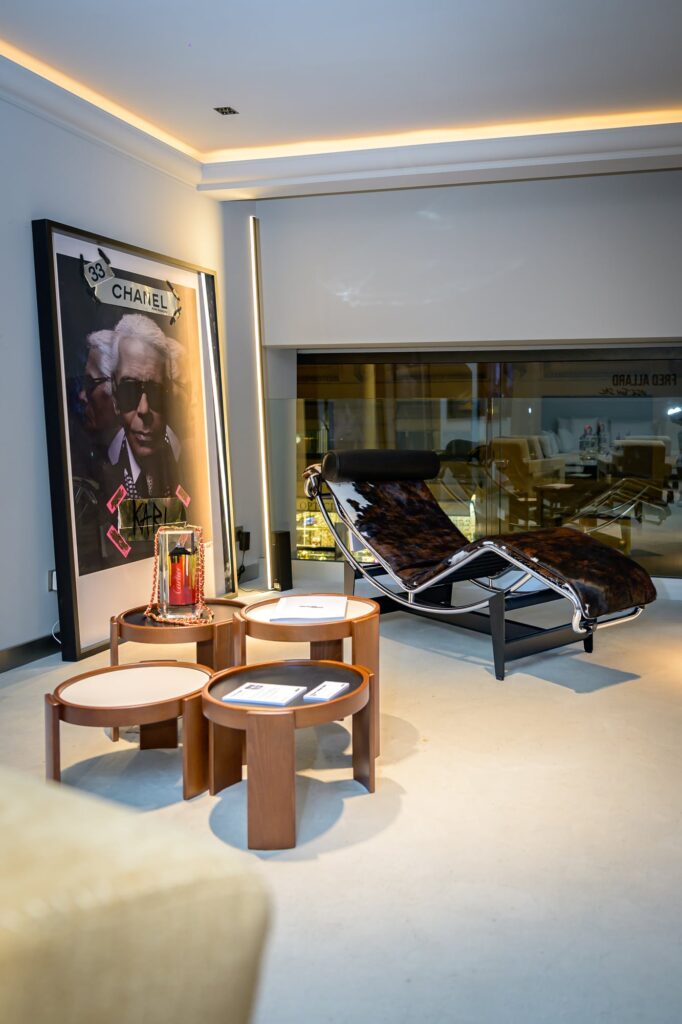

While the furniture sector produces millions of tons of waste each year, only a small portion is reintegrated into production processes.
Is it possible to reconcile quality, design, and ecology when selecting your furniture? What initiatives promote the manufacturing of sustainable furniture? What are furniture brands’ commitments to environmental responsibility?
As a furniture supplier for individuals and professionals in Nice and the surrounding areas in the Alpes-Maritimes and Var, Jbonet makes it a point of honor to collaborate daily with brands committed to sustainable development.
Reconciling quality, design, and ecology: it's possible in the furniture sector!
Several options can be considered to reduce the environmental footprint of furniture.
From material selection to furniture recycling, here are some popular options favored by furniture brands looking to design more sustainable products.
FSC Solid Wood: The Preferred Material for Sustainable Furniture
The preferred material in the high-end furniture sector, solid wood used to manufacture furniture must be carefully selected.
Indeed, using wood from sustainably managed forests is a solution for eco-designing furniture.
Sustainable forest management ensures better preservation of forest ecosystems by ensuring annual timber harvests do not exceed their renewal capacities.
Steel: A Material of Choice for Furniture Eco-Design
Another preferred material in the sustainable furniture sector, steel is among the 100% recyclable and infinitely recyclable materials.
Furthermore, it allows for a modern and elegant design while ensuring a long lifespan for furniture, regardless of the product manufactured: table, desk, shelf, bench, stool, etc.
Creating Furniture from Recycled Materials
It is possible to design furniture and decorative objects that are part of a sustainable and virtuous cycle, where design naturally complements durability.
To minimize their ecological footprint, some furniture manufacturers primarily use recycled materials while limiting petroleum-derived materials.
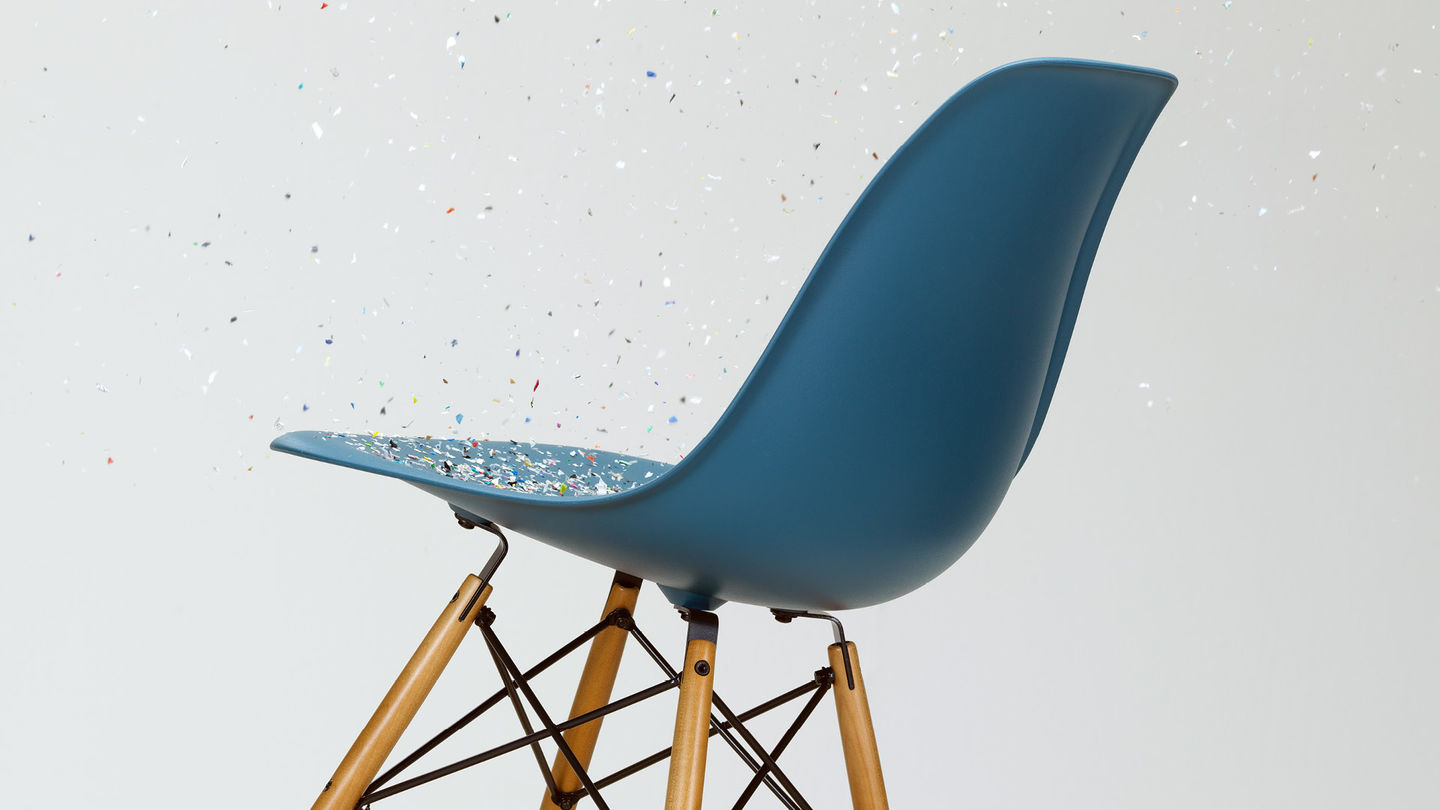
Furniture Designed to Withstand Life
Sustainable design adheres to various principles. It’s not just about using the right materials, but also about creating for longevity and considering the product’s deconstruction at the end of its life.
The rigor applied to furniture design helps ensure a longer lifespan for the furniture.
Products tested in design offices, for example, offer better longevity. Designing products with particular requirements for deconstruction also plays a fundamental role in recyclability.
Valorization of End-of-Life Furniture Products
Creating furniture products with separable components facilitates their recovery at the end of their life. Sorting, recycling, and valorizing used furniture are among the environmental commitments of some furniture manufacturers who seek to design sustainable products with a limited impact on the planet.
Discover Our Furniture Brands' Commitments
Specializing in design furniture for individuals and professionals, Jbonet offers high-end interior design solutions to its clientele.
Our showrooms located in Nice and Cannes offer a wide selection of furniture brands to furnish your living and working spaces. We are proud to have established strong partnerships with talented professionals who seek to combine design, quality, and durability.
Vitra: A Design Furniture Manufacturer Committed to the Circular Economy
Among Vitra‘s objectives for the coming years is to track each manufactured product throughout its lifespan. The goal is to ensure the longest possible use of its furniture and to facilitate its valorization at the end of its life.
Sedus: The First Office Furniture Manufacturer to Receive EMAS III Certification
Desk, office chair, meeting table, visitor chair – Sedus office furniture stands out not only for its comfort and ergonomics but also for its low environmental footprint.
Sedus promotes the use of recycled materials to manufacture its products. The company was also the first office furniture manufacturer in the world to receive the European EMAS III certification (or environmental audit management system), recognizing its environmental responsibility approach.
Poltrona Frau: A Committed and Responsible Manufacturer of Timeless and Durable Furniture
Poltrona Frau’s commitment is evident at various levels. This includes its self-sufficient electrical energy factory, thanks to a photovoltaic system that saves 1176 tons of CO2 each year. The “Zero Waste” project implemented at the Tolentino headquarters also ensures optimal waste management across the entire site. Furthermore, the company is FSC certified.
This means that the furniture is made from raw materials sourced from responsibly managed forests.
Cassina: Design Furniture Classics Reimagined with Environmentally Friendly Materials
The Italian furniture brand Cassina is known for its sofas, armchairs, chairs, and furnishing accessories designed by renowned designers.
An aesthetic requirement that does not prevent it from integrating the search for new, environmentally friendly, and reusable materials into its manufacturing process.
Studying the valorization of the product at the end of its life to make it recyclable is one of the brand’s priorities.
Bene: Sustainable Development as a Source of Inspiration
Manufacturer of sustainable and timeless furniture for the workplace, Bene rethinks its design approach by largely basing its product development process on ecological requirements.
This begins with the choice of sustainable and environmentally friendly materials, such as wood from sustainably managed forests. The modular structure of Bene’s office furniture also ensures that defective parts can be repaired if necessary. This extends the product life cycle!
Finally, tables, chairs, shelves, and other furnishing products are designed to be suitable for various uses. This versatile design encourages customers to reduce their consumption, as furniture can be used for different purposes over time.
Alea Office: An Office Furniture Company with Multiple Ecological Initiatives
At Alea, product packaging requires no polystyrene foam. As for the cardboard used for furniture packaging, it is 85% recycled.
Another ecological initiative: upon customer request, the furniture manufacturer can provide FSC-certified products. In its production processes, the company makes every effort to promote the use of recyclable materials.
Hay: A Design House Focused on Sustainable Materials
Hay seeks to minimize the environmental impact of its products by using sustainable materials such as FSC-certified wood, recycled materials, and water-based lacquers. Its furniture collection increasingly incorporates eco-certified products. Finally, its products are subjected to tests to meet regulatory requirements for strength, durability, and safety.
Looking for sustainable furniture in Nice, Cannes, Monaco? With Jbonet, your interior design project comes to life by combining design, quality, and durability! Contact our team to arrange your home or workspace in the Var or Alpes-Maritimes with products designed to last.