Work patterns are evolving rapidly, and the need for interaction and flexibility within teams is more central than ever to corporate challenges. However, designing a flex office workspace can be a powerful tool for achieving your goals, generating more interaction, and attracting talent. The Flex Office, currently booming, shows great promise, but to benefit from it, several key principles must be respected during its design.
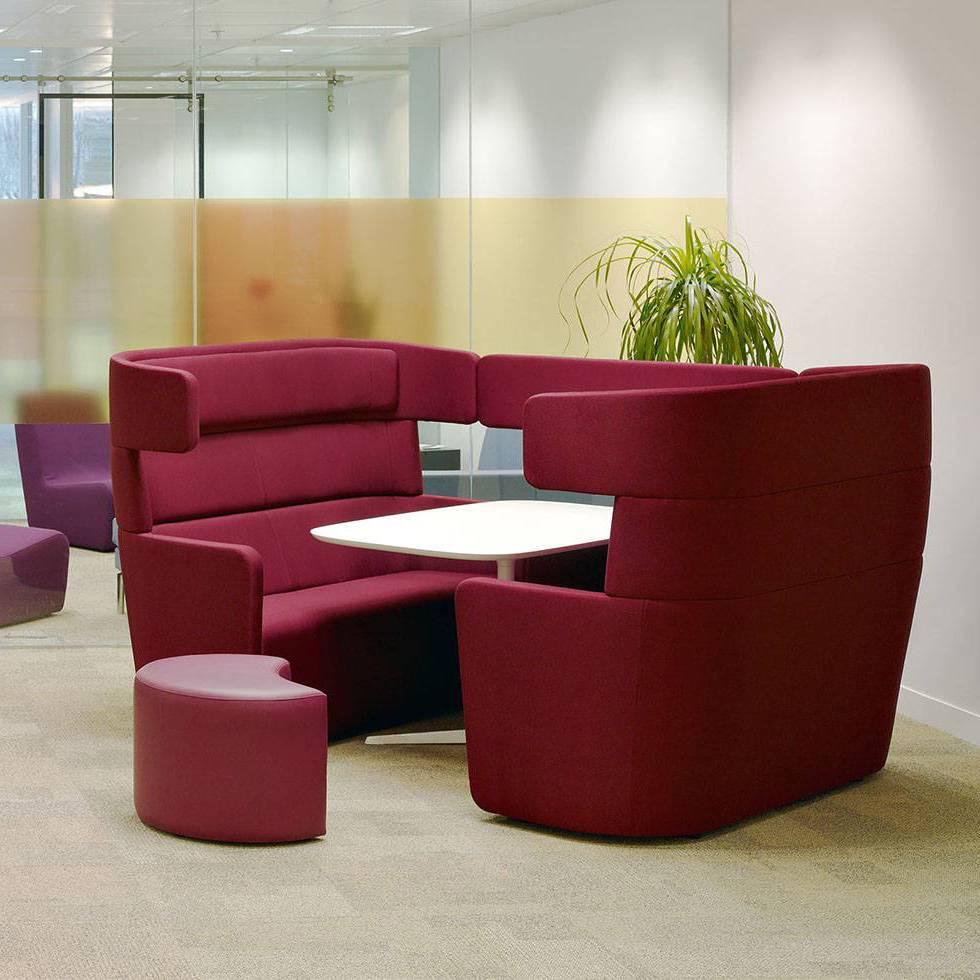
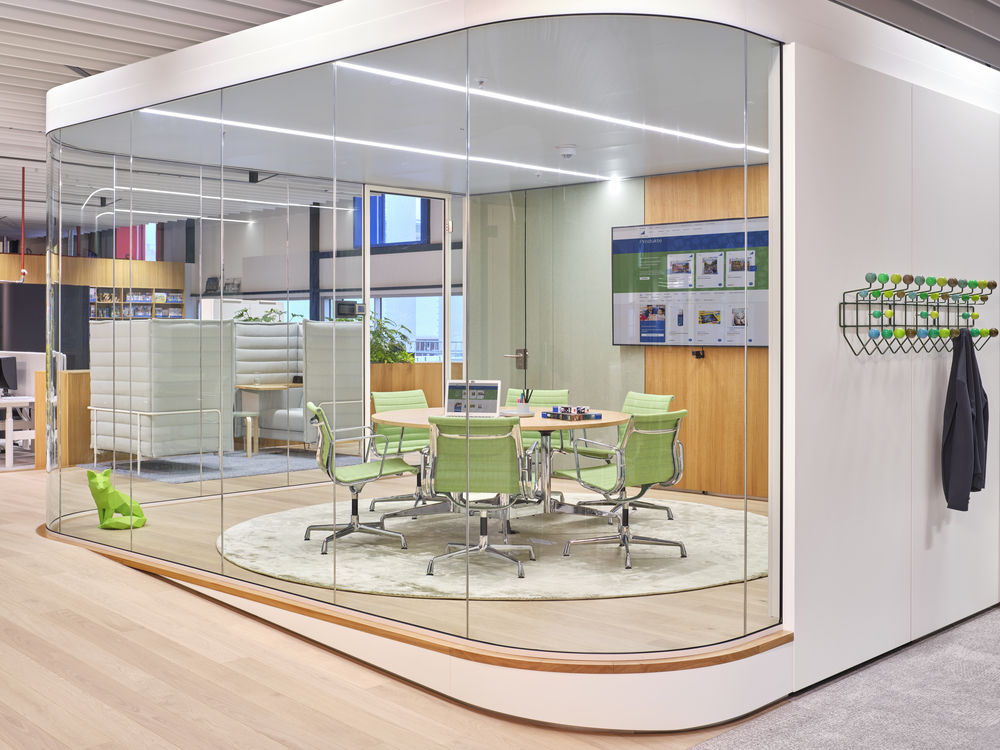
Acoustic box, American Diner, from the brand Bene – available at Jbonet
What is a Flex Office?
In concrete terms, a Flex Office is the absence of a specific workstation assigned to an employee, and allows for changing spaces according to tasks and missions.
The workspace is divided based on usage but is not simply summarized by the absence of assigned desks. It is also characterized by the provision of different workspaces, with the aim of meeting all needs. To achieve this, it is necessary to imagine and combine several types of locations while keeping in mind that the collective takes precedence over the individual, with polymorphic spaces adapted for exchanges and helping to combat the enemy of motivation: routine.
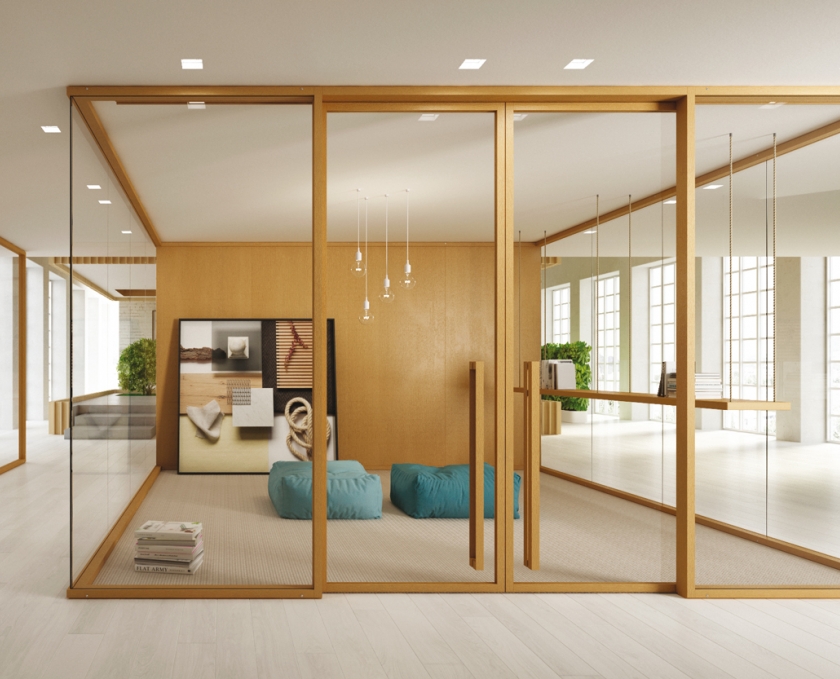
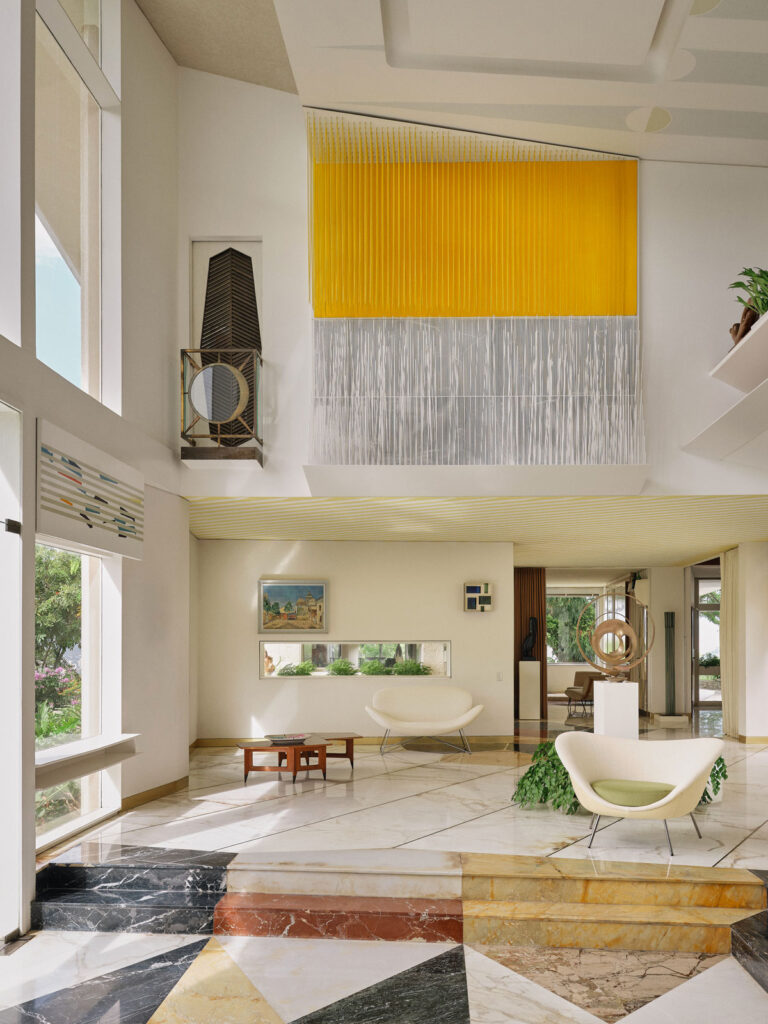
Wood Wall, from the brand Citterio – available at Jbonet
Each morning, employees will therefore go to the areas that best suit the task they need to perform, or to the different spaces that best correspond to their way of working:
- individual work zones: private offices, booths, etc.;
- collaborative spaces;
- informal work areas;
- in-person and remote meeting zones;
- or even relaxation areas.
In a Flex office, the workspace is thus designed so that employees work in optimal conditions. The autonomy of the Flex office allows one to settle in the most suitable place for the task at hand, and allows companies to allocate more space for conviviality and sharing among employees.
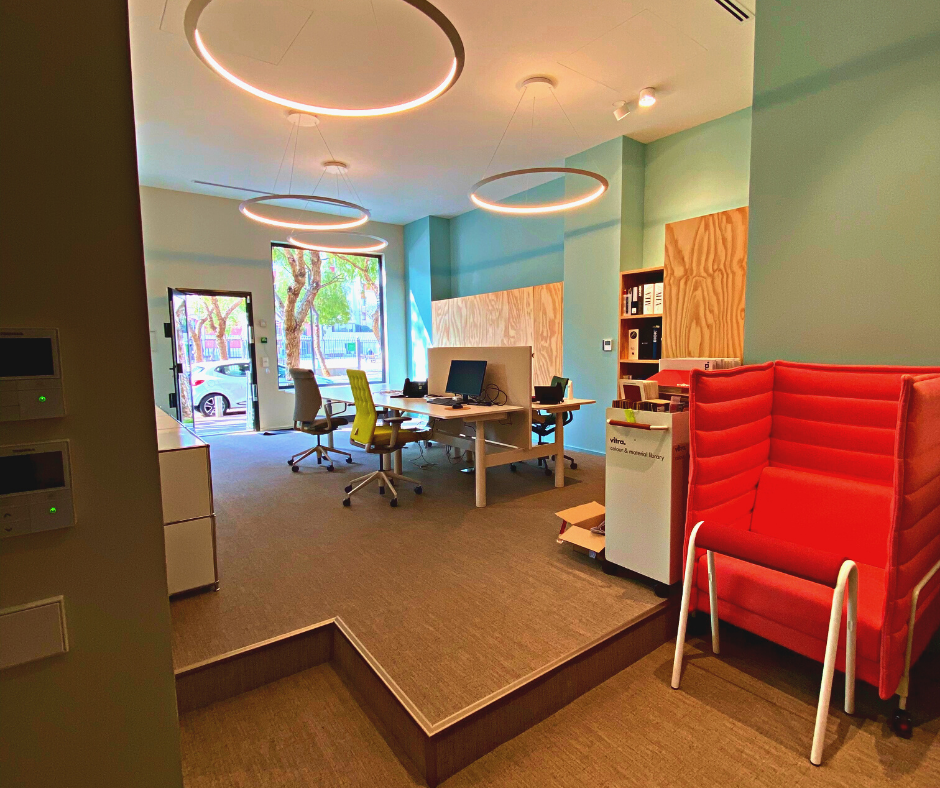
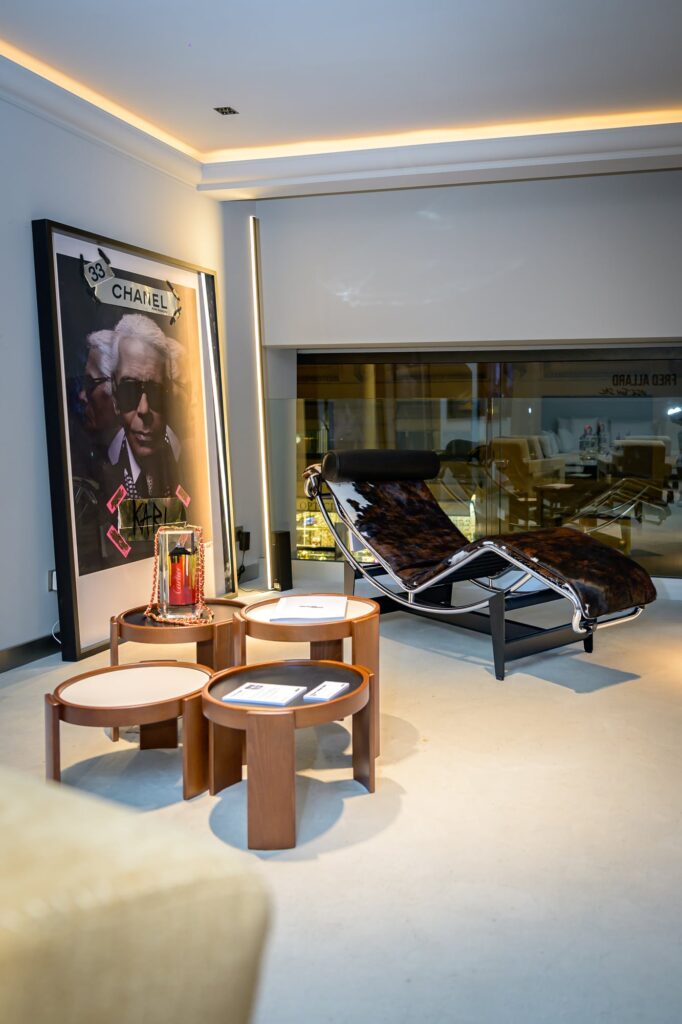
View of part of the new Jbonet Flex Office
Our tips for success:
- Understand how your teams work: the first step in starting the transition is to consult your employees to correctly understand their needs, their desires, but also their potential constraints or fears. Active listening will allow you to avoid many pitfalls;
- Offer collective AND individual workspaces: identified open-plan areas, but also individual workspaces allowing employees to isolate themselves if necessary, to concentrate, or even to make calls in complete peace and confidentiality;
- Create (in)formal and collaborative meeting spaces: favor furniture that is modular and hybrid and that invites dynamism, such as high tables;
- Set up relaxation areas: one of the most sought-after advantages of the Flex Office is indeed the possibility of creating links between employees and generating greater creativity! These relaxation areas can consist of sofas, ottomans, etc.;
- Finally, think about storage!: given that in a Flex Office, there is no longer a question of having assigned desks, it is naturally no longer possible for employees to store files, reports, or even decorate their workstations. It is therefore appropriate to offer solutions for storing documents, samples, as well as some personal effects, in strategic locations to limit unnecessary movement during the workday.
At Jbonet, we have adopted the Flex Office trend with the recent redesign of our administrative and sales offices in Nice, creating workspaces that are both pleasant and agile. We offer high-end hybrid furniture perfectly suited to the Flex Office, also ensuring the comfort of your employees. Would you like to rethink your spaces and adopt the Flex Office trend? Our advisors will be happy to assist you in the optimal design of your Flex Office layout project, contact us.