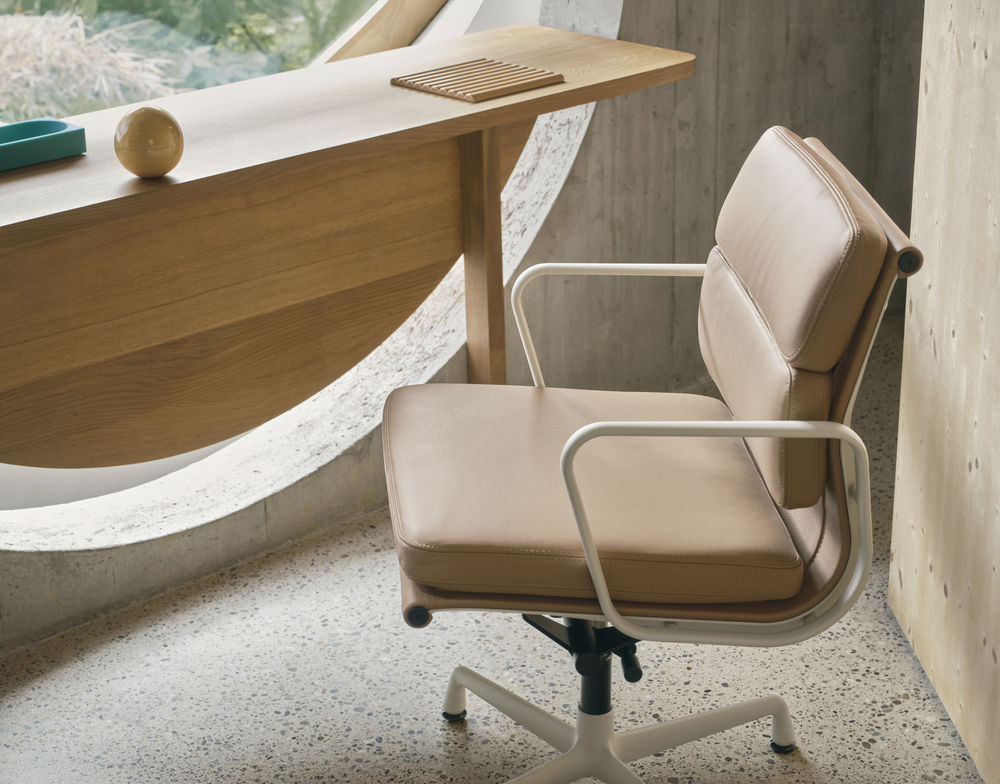
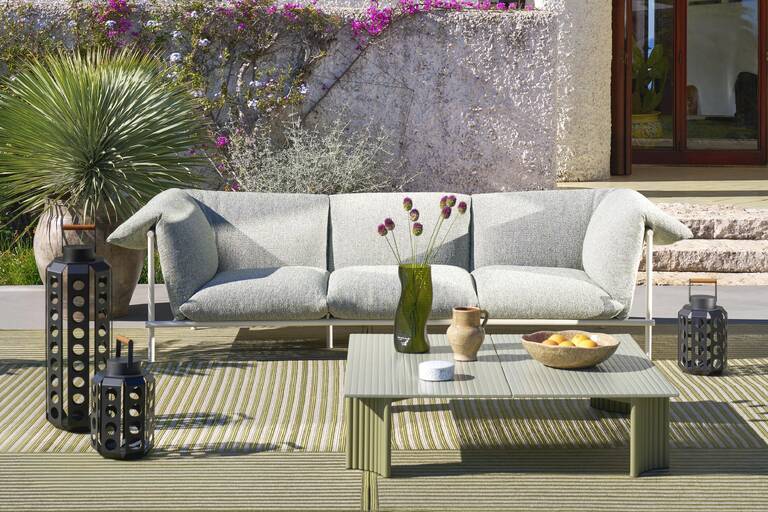
In the Alpes-Maritimes, the climate invites you to enjoy the outdoors for a large part of the year. A well-designed terrace then becomes a true extension of the home: a living, relaxation, and reception area, in harmony with the garden, architecture, and environment.
But how can you successfully design your terrace in Nice? What furniture should you choose? Which materials should be prioritized given the sun, humidity, or sea air? How can you create a harmonious ambiance without overcrowding the space? For 50 years, Jbonet has combined attentiveness, expertise, and a sense of design to bring personalized projects to life. Here are five tips from our experts for designing a terrace that is as elegant as it is durable.
1. Think of your terrace as a true living space
The first mistake would be to start by choosing a table or a sofa. The design of a terrace begins with a reflection on its uses. Do you want to create a space for family lunches? To entertain friends? To read in the sun? To set up a relaxation corner around a designer sun lounger? Or to extend your indoor living room into the garden?
This approach allows you to define different zones that will make your terrace a space adapted to your uses. A designer terrace table and chairs can structure a dining area, while a contemporary outdoor sofa, accompanied by armchairs and a coffee table, creates a true living zone.
In a small Nice balcony, as well as on large house terraces in Cannes or Antibes, circulation must remain fluid. Consequently, furniture must also be chosen according to the actual dimensions of the space and not merely its aesthetics. It is precisely this project logic that distinguishes a custom creation from a standardized layout: each element must find its place within a global design. Cassina, for example, envisions its outdoor collections as an extension of the home’s universe, with configurations that combine living, dining, and accessories in various materials. At Pedrali, many products are lightweight, easy to move, and often stackable. This is a real advantage for adapting a terrace according to its uses.
Key takeaway: before choosing furniture, define the uses of your terrace
2. Choose materials suited to the Alpes-Maritimes climate
In Nice, outdoor furniture must contend with a particular environment: sun, heat, periods of rain, humidity, and, depending on proximity to the coast, exposure to sea air. The question of the rain resistance and UV resistance of outdoor furniture must therefore be integrated from the design phase of the project. It is not enough to select a material simply because it is aesthetically pleasing. Its technical characteristics, maintenance, and manufacturer’s recommendations must also be considered.
The outdoor furniture collections from major design brands are specifically conceived to meet the demands of outdoor use. At Paola Lenti, for example, materials and textiles are selected to withstand sun exposure, humidity, and varying weather conditions while retaining their aesthetic qualities. Also discover one of our projects in Cannes where Molteni&C outdoor furniture enhances the exterior of a beautiful villa on the French Riviera.
Key takeaway: in a terrace design project in Nice, never think solely in terms of color or style. Consider sun exposure, humidity, and maintenance constraints.
3. Give your outdoor space a true identity
From contemporary terraces to Mediterranean gardens, different styles suit residential outdoor spaces on the French Riviera. The choice of designer outdoor furniture plays an essential role here. The goal is not to multiply pieces, but to compose a harmonious ensemble. For a contemporary terrace, one might favor clean lines and generous volumes. In a more Mediterranean garden, wood, stone, natural textiles, or certain mineral tones can interact with plants and the landscape.
Key takeaway: the challenge is to create a space that truly matches the style of the house and its environment.
4. Introduce vegetation without losing control of the space
Plants, shrubs, and Mediterranean vegetation can transform a terrace into a true green haven. To make the right choice, consider sun exposure, available space, and water needs. In large gardens, a landscape designer can work on volumes, perspectives, and transitions between the terrace and vegetation. In a balcony or smaller space, a few well-chosen plantings can be enough to create a true ambiance.
Key takeaway: landscaping should not be considered an element added at the end of the work. It fully contributes to the creation of the space.
5. Make your terrace a pleasant space at any time of day
A well-designed terrace should remain pleasant to live in when the sun sets. The question of lighting therefore deserves careful consideration. In practice, garden lighting can have different functions: ensuring safe circulation, highlighting a plant, enhancing a facade, or illuminating an outdoor lounge.
Garden accessories also play their part: outdoor rugs, cushions, side tables, pots, decorative objects, or parasols can personalize the space and adapt it to each moment of the day without modifying the entire installation.
Key takeaway: consider lighting and accessories from the design stage to create a pleasant and functional terrace at any time.
Successfully designing a terrace is therefore not just about choosing high-end quality furniture. It’s about thinking of the whole: the architecture of the house, the outdoor environment, the flooring, the materials, the plants, the light, the uses, and the climate. From Nice to Cannes, passing through Antibes and the other communes of the Alpes-Maritimes, each environment has its own constraints and its own potential. To guarantee a result that meets your expectations, trust a company renowned for its expertise in design in Nice and throughout the French Riviera. Jbonet offers you tailor-made support, from reflecting on uses to choosing furniture.