4 tips to follow for the maintenance of designer furniture
The questions most frequently asked after purchasing designer furniture concern its optimal maintenance and care. It is crucial to know the right techniques and products to avoid damaging this high-quality furniture. To help you maintain the original appearance of your furniture and ensure its condition for many years, we offer targeted advice dedicated to the key materials of designer furniture: leather, fabric, wood, and metal.
1. Leather furniture maintenance: use a leather protection and maintenance cream
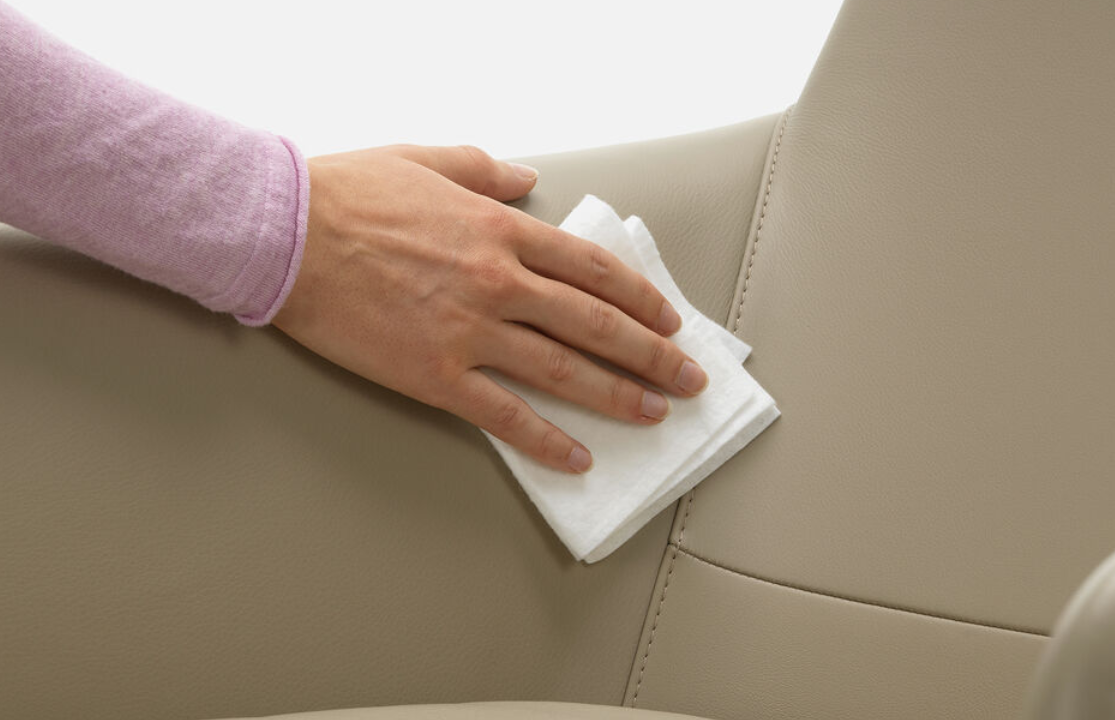
Leather is a durable material, but it requires special care to remain in perfect condition year after year. While a cotton cloth dampened with a little water is sufficient for routine cleaning, a specific maintenance product should be used to protect this upholstery against wear and stains.
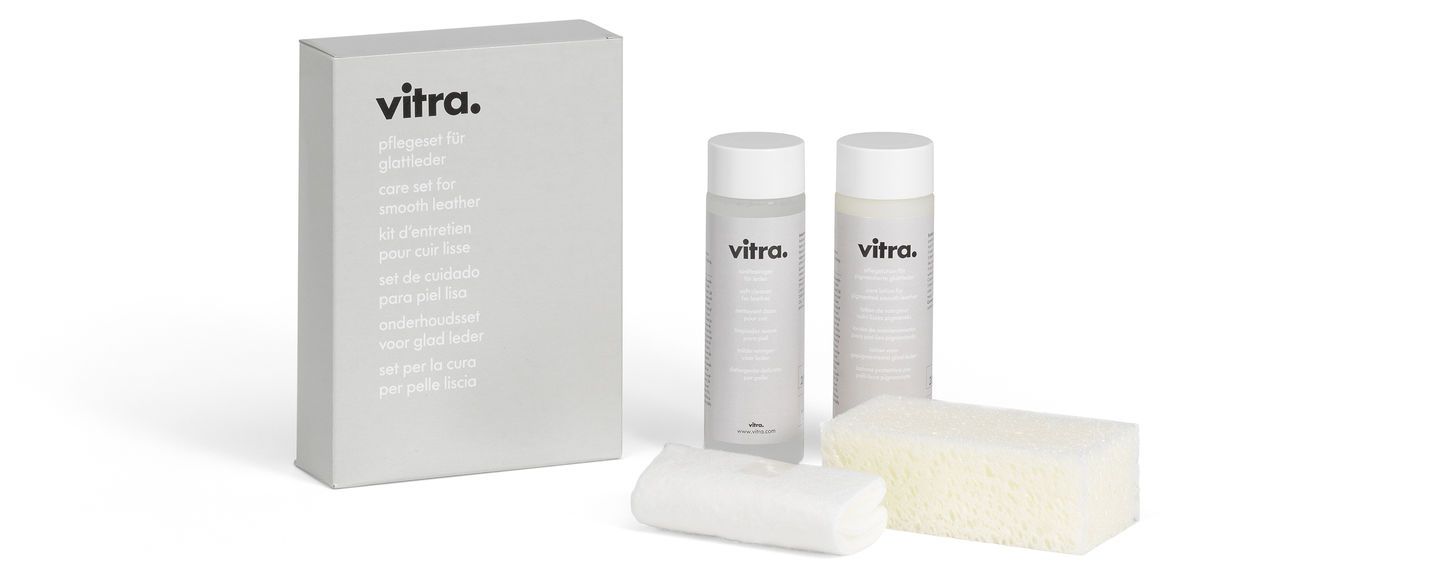
To make your life easier, leading designer furniture brands offer maintenance kits specially formulated to clean the surfaces of your leather furniture. The advanced Pelle Frau® leather cleaning system from Poltrona Frau, an Italian designer furniture house, includes, for example, a cotton cloth, a pure cellulose sponge, a water-based leather cleaner, a water-based leather protection cream, and a stick designed to remove recent ink stains from leather. As for Vitra, the Swiss designer furniture manufacturer, it offers its leather care kit in several versions depending on the surface to be cleaned: smooth leather, aniline leather, or olive leaf tanned leather.
2. Cleaning fabric surfaces and upholstery: adapt maintenance to each type of fabric
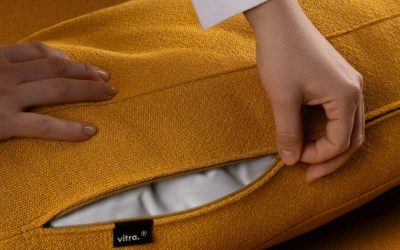
Upholstered furniture incorporates various fabrics that require regular cleaning and maintenance. To preserve their beauty over the years, it is particularly advisable to remove dust with a soft brush and use dry cleaning for stains. If you opt for hand cleaning, be sure to use solvent-free products and perform a test on a hidden corner of the furniture beforehand.
In addition to these general recommendations, there are more specific tips based on the types of fabric. Here is the procedure to follow for the most common fabrics:
- Acrylic surface: clean with a soft cloth soaked in lukewarm water and a neutral, colorless detergent, then rinse with water.
- Linen surface: remove dust with a duster or soft brush and clean stains with a white cloth soaked in lukewarm water, working from the outer edge of the stain toward the center.
- Velvet surface: remove pressure marks with a soft-bristled brush on dampened fabric and clean stains by spraying water and then brushing in the direction of the pile.
- Blended fabric surface: remove dust with a soft cloth and clean stains with a white cloth soaked in lukewarm water, working from the outer edge of the stain toward the center.
- Polyester wadding upholstery: machine wash at 30°C and dry completely before reuse.
- Feather upholstery: regularly air the upholstery by exposing it to sunlight or tumble drying at a low temperature to remove any moisture that may accumulate inside the cover.
3. Wood furniture maintenance: vary the care protocol based on the different types of wood and finishes

A noble material par excellence, wood plays a major role in the design of designer furniture. To preserve its appearance over time, it is important to adapt maintenance according to the type of wood and finish:
- Solid wood furniture: remove dust and dirt with a soft cloth and remove stains quickly with a solution of water and neutral detergent before they penetrate deeply.
- Waxed wood furniture: use a wool cloth to remove dust or, in case of a stain, soak a cloth in turpentine to rub the surface.
- Varnished or painted wood furniture: clean the surface with a soft cloth soaked in soap and water.
- Lacquered wood furniture: clean the lacquered surface with a slightly damp microfiber cloth and avoid exposing your furniture to direct sunlight, which may fade its color.
- Outdoor wood furniture: use a soft cloth for routine cleaning and opt for a specific maintenance kit as recommended by Cassina, a leading name in Italian designer furniture. From the Cleaning Kit (water-based multi-purpose soap) for routine outdoor wood cleaning to the Maintenance Kit (soap and impregnation oil) for seasonal maintenance, and the Refitting Kit (regenerating agent and impregnation oil) to restore its color after graying, the brand supports you step-by-step in keeping your wood furniture in perfect condition.
4. Cleaning and shine for metal furniture: enhance your modern industrial design furniture and objects with tailored maintenance
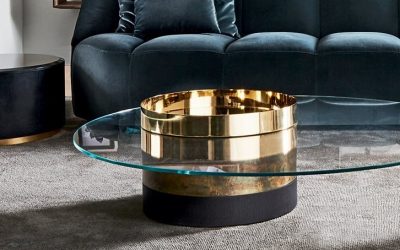
From wood and aluminum tables to fabric sofas or armchairs with a chrome-plated steel structure, as well as silver furnishing objects, metal is one of the essential materials in designer furniture. As with other materials, it is important to adapt maintenance to each type of metal:
- Chrome-plated steel: routine cleaning with a soft, dry cloth or a multi-purpose cleaner if necessary; rapid removal of weak food-based acids such as lemon or tomato, which can damage the surface; for the most stubborn stains, clean with warm vinegar.
- Stainless steel and painted steel: routine maintenance with a soft cloth to remove dust or a damp cloth to remove rings; clean stains with water and neutral soap.
- Aluminum: routine maintenance with a dry or slightly damp cloth and stain removal with an emulsion of water and neutral soap or, in case of a greasy stain, a glass cleaning product.
- Silver: routine maintenance with a soft cloth and removal of patina with dedicated products or a solution of lukewarm water and baking soda.
Far from being exhaustive, our tips provide an overview of best practices for designer furniture maintenance. This guide is also an opportunity for the Jbonet team to support you at every stage of your interior and exterior design. We are by your side from the selection of your designer furnishing products to their maintenance!